(see also my blog entry "Wondering about 'the [music] of [human beings for the last 60,000 years]''"
Music, like any other human activity, involves a transformation of the material world available to humans.
-
singing
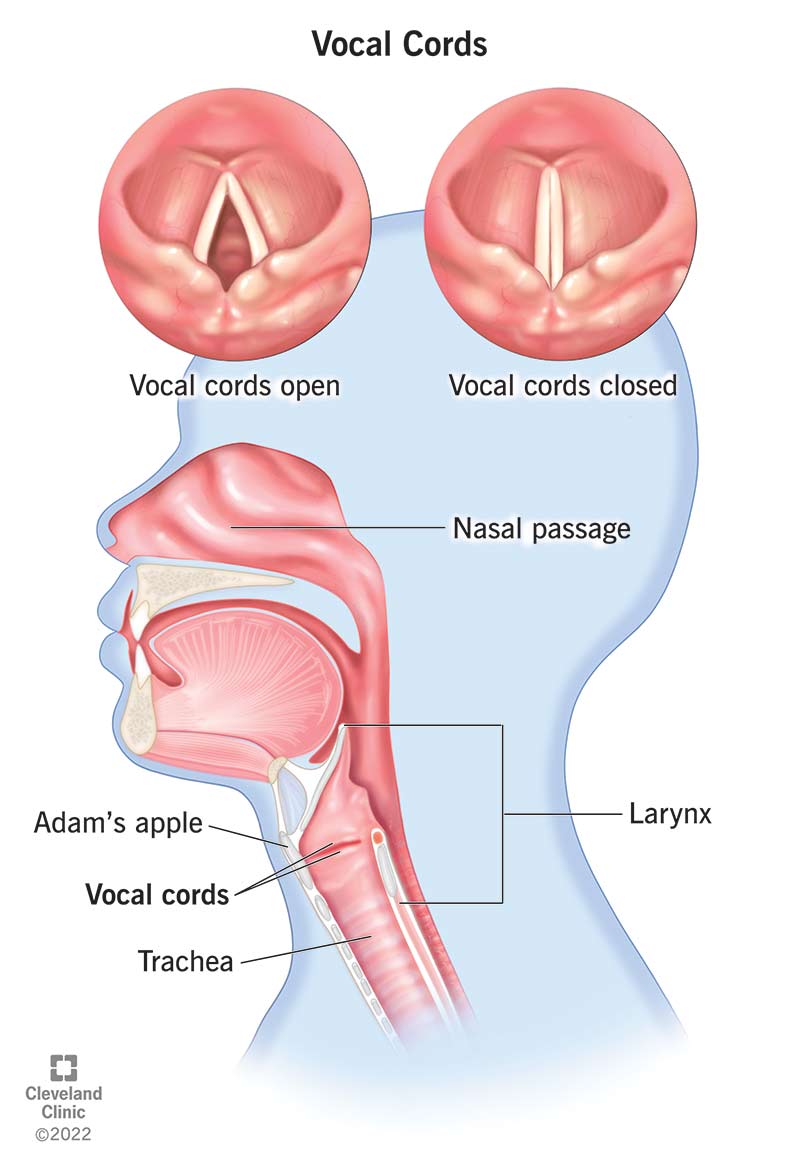
the basic "material" is the vocal box and the larynx
Note that this adult, healthy, anatomy is universal in homo sapiens, but takes various shapes and "sounds" different depending on sex, age, and various other departures from the model.

-
instruments
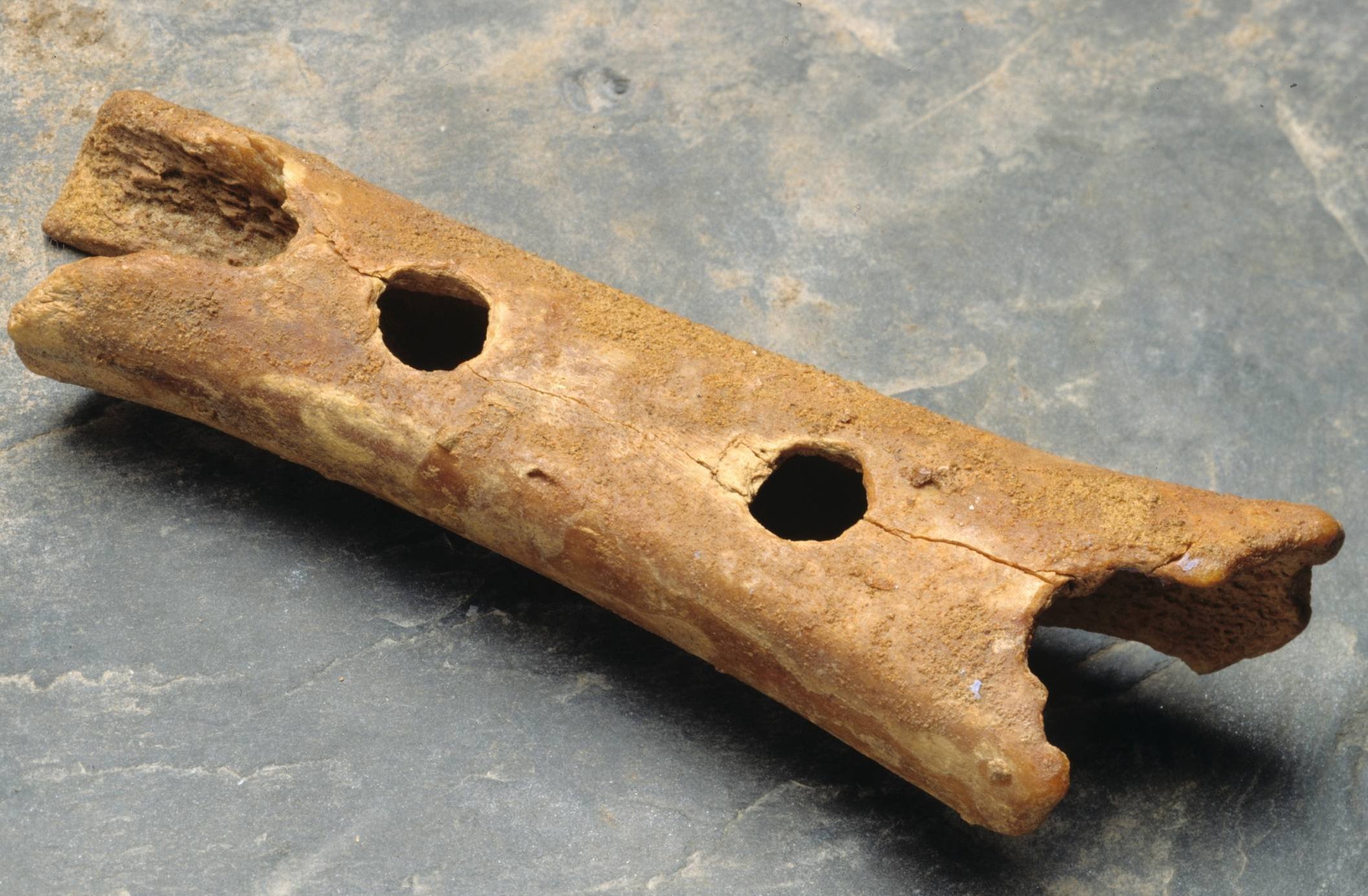
From the earliest times that we have archaeological evidence from (ca 60,000 years), humans have taken material from their environment (bone, wood, etc.) to make instruments that produce music.
Musical instruments are all dependent on specialized techniques and the divisions of labor that provide further material for those imagining the instruments, or transforming earlier ones.
-
assemblies
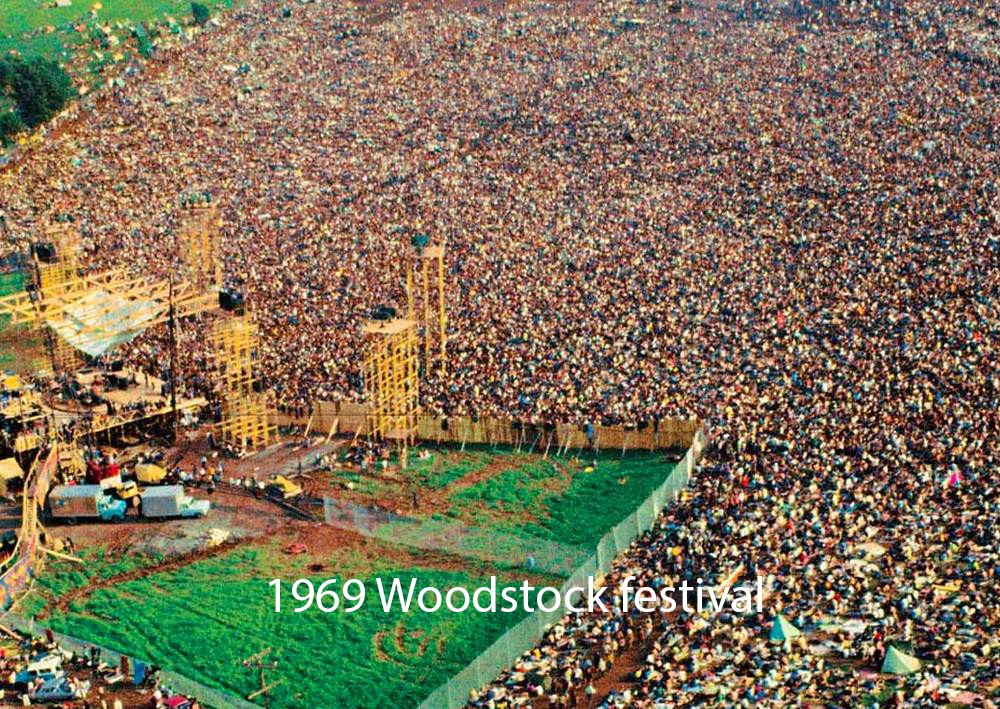
Ethnographic evidence demonstrates that everywhere (and thus probably everywhen from the earlier times of humanity) human beings assemble to make music together (choirs, orchestra, rituals), and to listen as others perform.
In such assemblies, "audiences" always participate. This includes remaining silent, as well as clapping, or responding in various ways, etc
-
emotional responses
more to come

 Lata Mangeshkar
Patricia Petibon