This is the fifth in a series of notes to lectures for my class ITSF4010 "Cultural & Social Bases of Education" ( )
Holland, Dorothy and Debra Skinner "Prestige and intimacy: The cultural models behind Americans' talk about gender types." in Cultural models in Language and Thought. Ed. by D. Holland and N. Quinn. Cambridge: Cambridge University Press. 1987
The cultural question is not what do boys and girls do, but when are the categories male and female made relevant, in what circumstances , by virtue of what work? (McDermott and Varenne 2006: 20)

Digging into aspects of the fundamental processes: Classification
- The puzzle: experience vs. communicating experience
- The phenomenology of experience as a seamless stream
- Merleau-Ponty and phenomenology
To say that no sign signifies by itself, that language always refer back to language because at any moment only a few signs are received, is also to say that language is expressive as much through what is between words as through the words themselves, and through what it does not say as much as what it says, just as the painter paints as much by what he traces, by the blanks he leaves, or by the brush marks he does not make. ([1959]: 1973: 43)
- Merleau-Ponty and phenomenology
- The "psychic unity of mankind"
- Boas and anthropologists on "race"
- Sociobiologists
- The phenomenology of experience as a seamless stream
- The universal, often usatisfying, solution to the puzzle (among homo sapiens sapiens for sure): dividing experience through symbols: the inescapability of the arbitrary (in the logical and political sense of the word)
- color
- experience
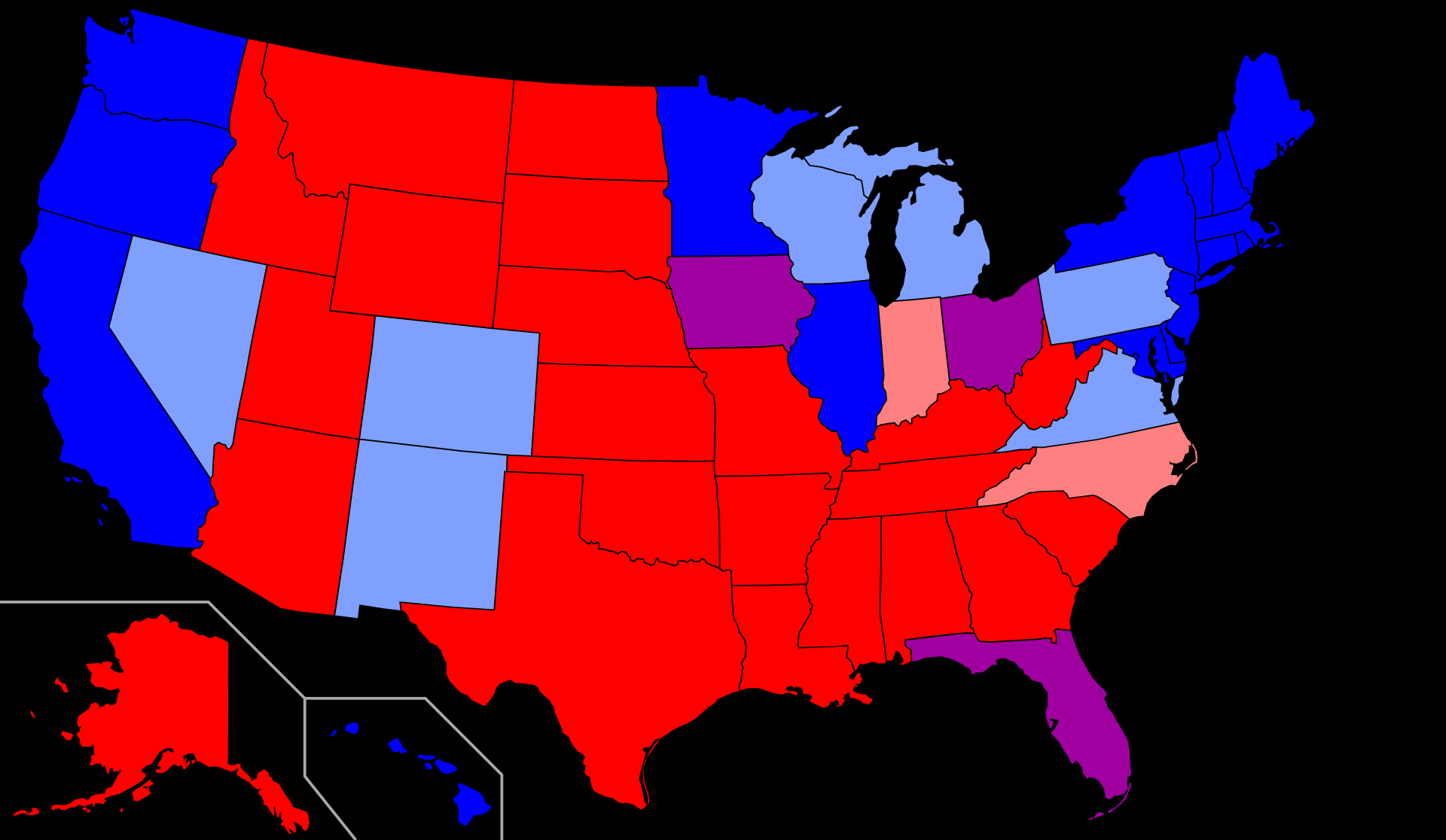
- associations (see course introduction and color coding of American political parties)
- extra-vagance (Boon 1999)
- color
- Digitalics: making lines and distinctions -- another universal of human communication
- At two extremens
- Rousseau on the original since of sociability (the Origin of Inequality 1754).
- Bateson on wisdom
- a poetic version by Robert Frost: "Good fences make good neighbors" (Mending walls 1914)
- At two extremens
- Ethnographically
- "Totemism" : associating people with animals, physical objects, other people.
- For example, in American football:
- Using animals: Cardinals, Falcons, Panthers, Bears, Colts, Jaguars....
- Using natural phenomena: Lightning, Heat, Hurricanes, Storm, Avalanche...
- Using other people: Cowboys, Vikings, Patriots, Giants, Saints, Steelers... (and, controversially, Braves, Redskins)
- For example, associating European imperial powers in term of their (totemic?) animal as they attempted to colonize China:
 Representation of the imperial powers colonizing China around 1900
- For example, in American football:
- "Gender" (and other classifications of the human reproductive system)
-
Many of these classifications change very fast. Some may remain stable (though sometimes with different labels)
 American types of women (ca 1980)
 American types of men (ca 1980)
-
We can understand, too, that natural species are chosen [as totems] not because they are 'good to eat' but because they are'good to think.' (Lévi-Strauss [1962] 1963: 89)
- "Totemism" : associating people with animals, physical objects, other people.

- Education and schooling
- etc.
| Some questions in the context of this course. |
|---|